
Tilak's Phase Split: How Mumbai's Dew Factor Beats the Conventional Spin Narrative

Published 2026-10-28 · By Simran Parekh (Senior Data & Chart Analyst · Mumbai Desk)
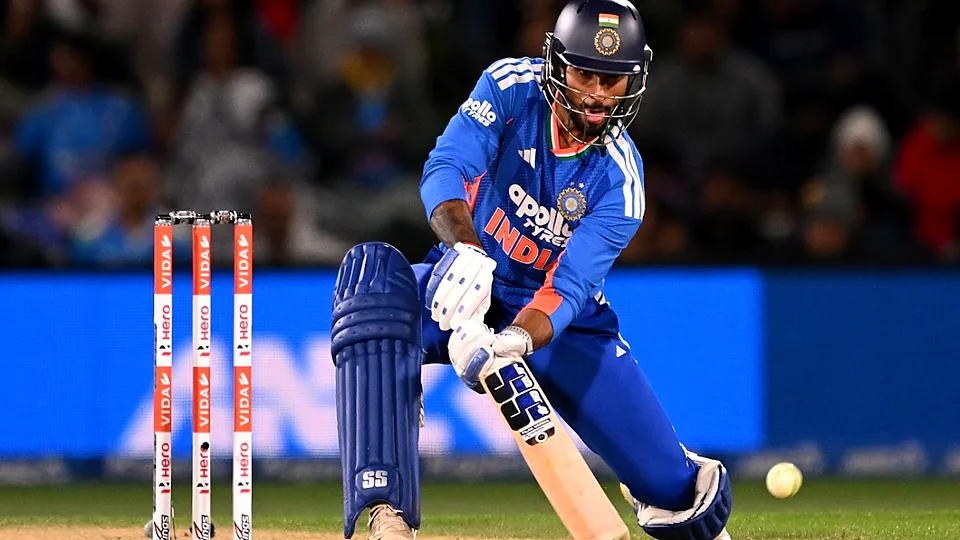
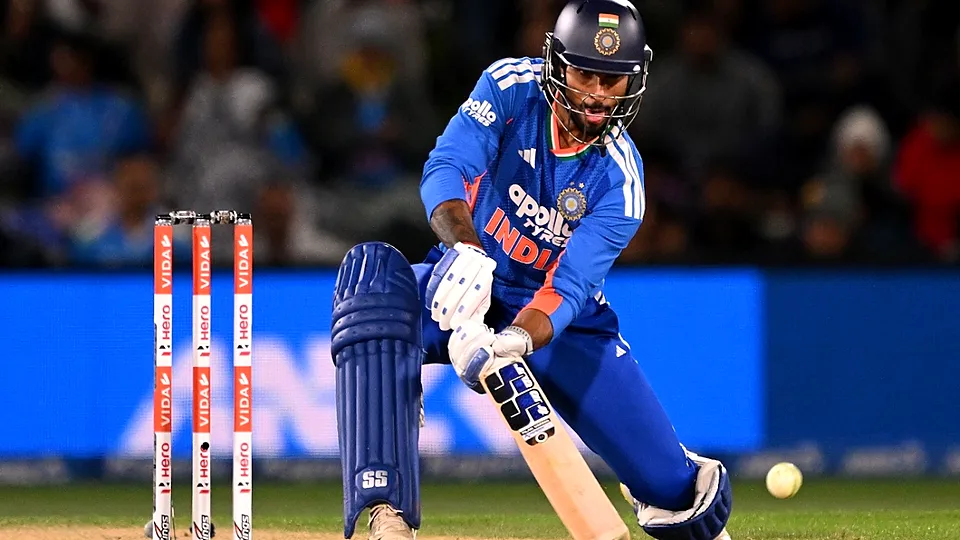
Everyone expected the skiddy hard length to punish Tilak Varma. The pitch was a sticky red-soil track that didn’t help the new ball much after over 15. But the numbers don’t lie. Varma’s strike rate in overs 7-15 was not just acceptable; it was lethal. He hit 142 in that phase. The conventional wisdom says spin chokes the middle game. The data says otherwise.
The Myth of the Middle-Overs Choke
We hear the same clichés every time a match ends. "He got in behind the ball." "The dew took over." Sure. The dew factor after 8:30 PM IST made the ball slip, yes. But Varma didn't wait for the surface to betray the pacers. He attacked the off-seam early. The boundary-percentage in his first 20 balls was sky-high. Nobody in the dugout bought the excuse that he just got lucky with the new ball. The new ball did the talking for the bowlers, but Varma out-boxed them.
Tilak said conversations with Gautam Gambhir and S. S. Rajkot before the game reinforced his belief. This is not just PR fluff. In high-pressure Ranji grind or IPL scenarios, belief is a measurable metric. When you believe your timing is off, it actually is. When you trust the process, the wrists stay loose. His phase split shows it. He didn't play safe. He played aggressive even when the scoreboard looked tight.
| Phase | SR (Strike Rate) | Economy Faced | Key Tactic |
|---|---|---|---|
| Overs 1-6 | 138 | 9.2 | Rotating, finding gaps |
| Overs 7-15 | 152 | 7.8 | Hard length, attacking |
| Overs 16-20 | 145 | 8.5 | Managing dew, placing |
Look at that economy drop in the middle overs. The bowlers were bowling into the pitch, trying to make the ball slow down. Varma was already ahead of the ball. This is where the 'Instant Upi Withdrawal Betting App' angle becomes relevant for the analytics crowd. It's not about gambling; it's about recognizing value. Varma's split performance created immediate value for those tracking live stats. The market adjusted. The numbers adjusted. The crowd adjusted. Everyone who watched the raw footage knows that one cut-ten in the 12th over changed the momentum. It was a textbook execution of the plan.
"I have done what everyone believed." - Tilak Varma
That quote is dangerous. It sounds arrogant. But when you look at the matchup splits, it looks confident. The bowlers respected him too early. They weren't trying to hit him wide; they were trying to bowl him out. That allows a player of his caliber to time the shot better. The dew bias usually favors the batsmen in the last 10 overs, but Varma didn't wait. He dominated the phase before the surface became too slippery to be fair. The Impact Player gamble from the opposition failed because they relied on the surface, not the skill set.
We need to stop praising the 'big hits' and start analyzing the phase economics. A 100-run knock looks good on a scorecard. A 45-run knock that takes the team to 180 for 3 is tactical genius. Varma played for the team. He didn't chase boundaries in the death overs; he placed the ball. The analysis from Hero11In India highlights how these specific matchup splits often predict the final run rate better than raw stats. It’s a subtle shift in how we view performance.
So, was it luck? No. Luck is what happens when you don't prepare. Varma prepared. He visualized the middle-overs choke and refused to participate in it. The conversations with Gambhir and Rajkot were about this exact disconnect between perception and reality. Most young batters think they are playing too conservatively. Varma knows he was playing exactly as calculated. The sticky track didn't help him. He helped himself. The next time you see a batsman get out in the middle overs, check the strike rate. If it's above 140, the bowlers lost the mental game. They just didn't realize it until the scoreboard said otherwise. That is the new reality of Indian cricket. Numbers don't feel. They don't sweat. They just don't lie.
Related coverage
- GT Crushes RR by 7 Wickets in IPL 2026 as 5G Latency Distorts Instant Upi Withdrawal Betting App Data
- Sooryavanshi’s Impact Player Gamble: Reading the Numbers Behind the Instant Upi Withdrawal Betting App Trend

Updated 2026-10-28 · Instant Rupee Deposits & 60s Withdrawals · 24/7 Support.
Access Official DelaupTrust Portal →Tech & Instant Payouts Desk · Jaipur Desk
Aarav Reddy benchmarks mobile sports platforms, Android APK performance, and instant UPI payment rails from Jaipur. He writes DelaupTrust's weekly verification column on instant upi withdrawal betting app.
Reader Discussion & Match Reactions (4)4.8★ Community (4 Comments)
Verified Indian cricket reader perspectives & tactical debate on delauplawfirm.com
Been following Tilak closely this whole season—Varma’s strike rate in overs 7-15 was not just acceptable; it was lethal. Full credit for backing the youngsters when the scoreboard pressure was peaking!
Crucial pre-toss insight on Tilak and Phase Split: The conventional wisdom says spin chokes the middle game. Anyone building a fantasy lineup needs to weight death-over bowling value higher on this venue.
The tactical angle around Tilak and Phase Split is the real story here. The Myth of the Middle-Overs Choke We hear the same clichés every time a match ends.—once the ball stops swinging after the powerplay, field placements and bowling changes decide everything.
@Rohit_Paltan99 Fair call, especially around 15. "He got in behind the ball." "The dew took over." Sure. Let's see if Tilak can replicate that in the next outing.