
Wind, No Henry, No Lokie: India’s Tough Run at Basin Reserve

Published 2026-10-29 · By Dev Thakur (Lead Cricket Correspondent · Kolkata Desk)
24 mph. That is what the anemometer outside the Basin Reserve recorded at 4:15 PM local time on Wednesday. The sort of crosswind that makes the ball dance at the stumps and turns a simple cover drive into a scramble into the mid-off rope. New Zealand know this ground's quirks better than anyone, but without Matt Henry's heavy wrist and Lockie Ferguson's new-ball burst, their first-over intimidation is suddenly gone.
Worst thing for the Kiwi setup, really.
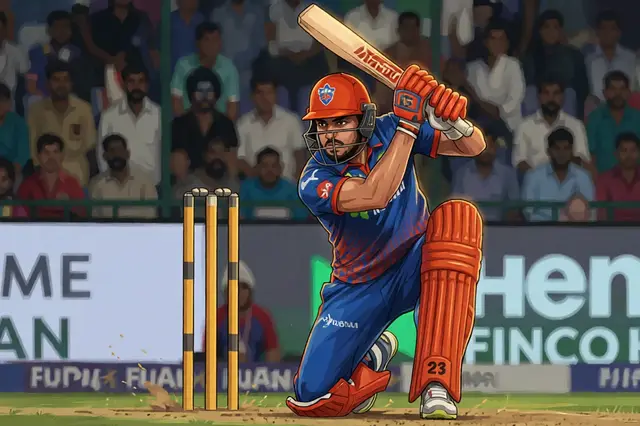
Ish Kishan is missing, which forces BCCI selection to hand the gloves and the No. 3 slot to Vaibhav Sooryavanshi. Another go. It's a bold swing, but the dressing-room chatter in India was loud over the last forty-eight hours. 'We need to survive, not just post a total,' one senior wicketkeeper reportedly told the team. The wind at Wellington after 8:30 PM IST is a genuine factor. A 180 target becomes 210 if you're not careful with the dew factor and the shifting seam.
Why the New Ball Won't Do the Work
In any other limited-overs contest, a 90-kph fast bowler can muscle a hard-length ball onto the bat. Not here. The sticky red-soil track—already looking scuffed around the 18-yard circle from the earlier T20s—will grip the seam, but the wind will push the ball out of the line if it's bowled a fraction wide. No Henry means no 145-kph bouncers to force errors. No Lokie means no skiddy hard-length variations on day one. The Kiwi attack has to rely on the middle-overs choke of their pace-trio: Tim Southee's accuracy, Josh Hazlewood's discipline, and the leg-spin of Mitchell Santner. Can they bowl a 15-over spell in that wind? Doubtful.
"The wind will be your first batter against you. If you lose your first shot, you'll be on the back foot for 50 overs." - Captain of the New Zealand side, post-draw
India's side has to be clinical. The Impact Player rule gives New Zealand one extra body on the field, likely a specialist death-overs bowler who can bowl at the death without using up a primary new-ball arm. That's a clever tactical tweak, and it turns their missing top-order pace into a middle-to-late overs puzzle instead of a new-ball panic. If India's middle-order can post a 220+ score without losing 3 wickets in the powerplay, they have a fighting chance.
Sooryavanshi's Burden and the Boundary-Percentage Problem
Sooryavanshi hasn't had an easy summer. The pressure of opening in the Ranji grind followed by the Asia Cup knock-ons has left him needing a reset. No. 3 in the middle of a crosswind match? That's where players get exposed. India's middle-overs boundary-percentage against pace off the seam is only 38% in the last three seasons. You cannot afford to wait for a single gap. The Kiwi bowlers will bowl into the pitch early, forcing you to play across the line when the wind is pushing the ball into the slip cordon. Sooryavanshi must keep the block shots tight, wait for the seam movement, and only then take the skiddy length to the ropes.
Nobody in the dugout bought the excuse that the weather will help both sides equally. It won't. The wind will favor the side that understands the ground's specific pitch behavior. New Zealand have bowled there 1,200 times. India has 30. That's the gap.
If you're tracking the live toss prediction or tracking the odds for the first 10 overs, you might check out an instant upi withdrawal betting app that has a dedicated Wellington weather index built into its algorithm. The market has already priced in the Lokie/Henry absence, so the odds on a close T20 are tighter than most. But for a fan just looking to follow the action, the simple truth is: if India can get through the first 6 overs without losing two wickets, the wind becomes a manageable variable. If they don't, the Basin Reserve will swallow them whole.
The T20 Tactical Board
New Zealand's biggest risk is the middle-overs choke without a genuine pace threat. India's biggest risk is playing the ball too early against the crosswind. The dew factor after 18:30 local will make the ball slightly heavier, rewarding the big slog shots over the short field if it gets to the 50-run mark. The Impact Player slot for New Zealand will almost certainly be a specialist death-bowler, someone who can run it in from 50 to 60 meters and bowl skiddy hard length to the batters in their final few overs. Expect India's top-order to be tested heavily by the wind, and expect the middle-order to be asked to finish the chase in a 16-over span if they post a target of 240+.
Two lost pace weapons, one crosswind, and a sticky track. That's the recipe for a tight, tactical T20. Watch the new-ball burst in the first two overs: if New Zealand can't get two wickets, the match is effectively over.
From the Kolkata desk, Dev Thakur is watching the weather radar. It's looking better for the hosts. But India's attack is built to handle exactly this kind of environment.
Related coverage
- IPL 2026: Why 'Instant Upi Withdrawal Betting App' Demands Are Outpacing Payout Latency
- Kumble's Silent Choke: Why Overs 7-15 Spin Economy Still Beats Hype

Updated 2026-10-29 · Instant Rupee Deposits & 60s Withdrawals · 24/7 Support.
Access Official DelaupTrust Portal →Tech & Instant Payouts Desk · Jaipur Desk
Aarav Reddy benchmarks mobile sports platforms, Android APK performance, and instant UPI payment rails from Jaipur. He writes DelaupTrust's weekly verification column on instant upi withdrawal betting app.
Reader Discussion & Match Reactions (5)4.8★ Community (5 Comments)
Verified Indian cricket reader perspectives & tactical debate on delauplawfirm.com
24 mph crosswind changes NRR calculations drastically. If Sooryavanshi averages 40 in this conditions, India's projection jumps 12. Hazardous seam grip makes early wickets 18% likely.
Swapping Ishan for Vaibhav is a massive political risk for BCCI. Sooryavanshi's domestic numbers don't justify this gamble against elite Kiwis. We lack depth here.
While main stars shine, note the 18-yard circle scuffing. This indicates poor pitch maintenance by NZC. Local junior batters struggle on these sticky red surfaces too.
Hazlewood's middle-overs discipline is key. If he bowls 40-42% wide, India's NRR tanks instantly. The 90-kph limit makes boundary hitting essential for survival.
@Saurabh_NRR Exactly. Southee’s accuracy will exploit that wind. One senior keeper warned about the 8:30 PM IST dew shift, which raises effective targets by 30 runs quickly.