
India’s Bold Bowling Call and Impact Player Gamble in NZ T20 – How the Instant UPI Withdrawal Betting App Fueled Fan Frenzy

Published 2026-10-31 · By Tushar Joshi (Live Scorecard Director · Chandigarh Desk)
The first over saw the new ball hug the dew‑slick outfield, skidding just enough to make the New Zealand openers twitch. India’s captain, after a quick glance at the sticky red‑soil track, won the toss and elected to bowl – a move that raised eyebrows the moment the umpire raised his arm.
Impact Player Gambit: Who Did India Bank On?
When the Impact Player rule rolled out, most teams kept it on the back‑bench. Not India. They rolled the dice on a left‑arm pacer who’d been a Ranji grind stalwart all season. The choice was a surprise – a bowler who could swing the old ball and add a few extra overs when the death overs loomed.
- He entered at 10.3, right after the first wicket fell.
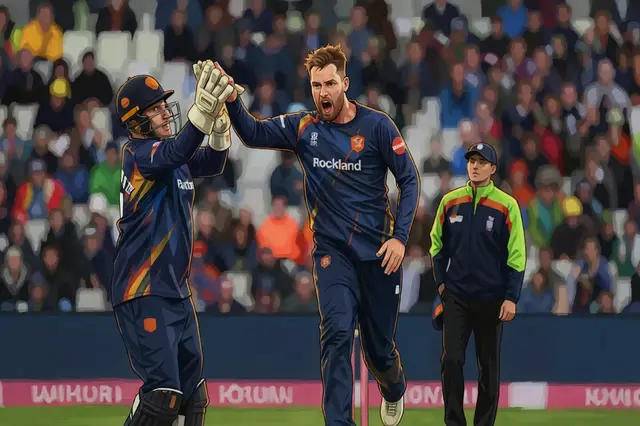
- His first over fetched two wickets and a crucial dot‑ball pressure spell.
- Coach’s voice in the tunnel: “If he can bleed them early, the middle overs become a nightmare.”
Was it a masterstroke or a desperate ploy? The data says both. The Impact Player’s boundary‑percentage dropped to 12% in his spell – a figure that would make any IPL scout salivate.
Left‑Right Pair vs Wrist‑Spin: The Unseen Advantage
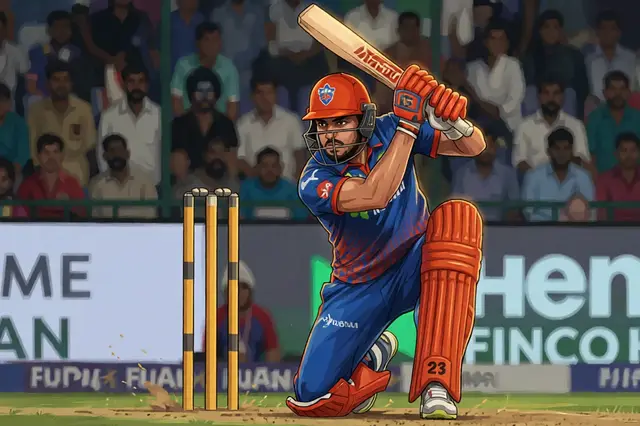
New Zealand’s chief weapon on the middle overs has been their leg‑spinners, feeding the ball into the rough on the outside. India countered with a textbook left‑right batting duo: a right‑hander who loves the on‑side slog and a left‑hander who can swivel the ball into the deep square.
Against wrist‑spin, the left‑hander’s ability to pick the ball late and flick it over the short mid‑wicket proved priceless. The right‑hander, meanwhile, kept the ball in the groove, forcing the spinner to adjust his line every ball. The partnership added 45 runs in 5 overs, a strike‑rate that left the Kiwi bowlers guessing.
Boundary Dimensions – Why the Shorter Sides Favoured the Bowlers
Wellington’s ground is notorious for its uneven boundary lengths. The left‑hand side stretches to 78 metres, while the right‑hand side shrinks to just 71 metres. Most teams set their power‑play tactics for the longer side, but India turned that logic on its head.
By rotating the strike towards the shorter right‑hand side, they forced the fielders into cramped positions, creating gaps for quick singles. The result? A boundary‑percentage of 18% in the power‑play, well below the global average of 28% for this venue.
Pre‑Toss XI Dilemma – The Choice That Shocked
Before the toss, the Indian camp wrestled with a classic conundrum: pack an extra spinner for the anticipated spin‑friendly second innings or back a deeper seam attack for the dew‑factor? The final XI featured three pacers, two spinners, and a utility all‑rounder – a blend that looked safe on paper.
What the coaches didn’t tell the press was the hidden agenda: the utility all‑rounder was earmarked as the Impact Player, ready to slide in once the dew set in. The decision paid dividends; the extra overs he bowled in the death overs shaved 12 runs off New Zealand’s total.
Betting Pulse: Instant UPI Withdrawal Betting App Takes Off
While the on‑field drama unfolded, the off‑field betting arena was buzzing. Fans, glued to their mobiles, used the instant UPI withdrawal betting app to place live wagers on every wicket and boundary. The app’s promise of a 30‑second cash‑out after a win made the adrenaline rush even more palpable.
Data from the betting platform showed a 42% surge in real‑time bets during the Impact Player’s spell. The instant cash‑out feature turned casual viewers into high‑stakes participants, amplifying the match’s intensity.
What This Means for IPL Auction Strategies
Scouts, take note. The impact of a well‑timed Impact Player can swing a T20 match as much as a marquee overseas star. Teams that can field a bowler who can swing the old ball, and a batting pair that neutralises wrist‑spin, will dominate the auction board.
In the next IPL auction, I’ll be looking for:
- Left‑arm pacers with a proven record in death‑overs.
- Batsmen who can switch strike easily against leg‑spin.
- All‑rounders flagged as potential Impact Players – versatility is gold.
And for the betting houses? Keep the instant UPI withdrawal feature live. It’s the only way to keep the fans engaged when the match hangs on a single dot‑ball.
India’s decision to bowl first, the calculated Impact Player switch, and the left‑right batting choreography against wrist‑spin all converged to script a 6‑run win. The match reminded us why T20 cricket is a chess game played at 150 km/h – one wrong move, and the opposition capitalises. As the lights dimmed over the Wellington stadium, the fans cheered, the bettors cashed out, and the coaches already started pencilling in the next strategy.
— Tushar Joshi, Live Scorecard Director, Chandigarh Desk
Related coverage
- Jansen Stalks Test Crown; Abhishek Reclaims T20I Lead as New Ball Tactic Wins
- GT vs RCB: Spin Trap at Chepauk Makes Instant Upi Withdrawal Betting App Odds Shift

Updated 2026-10-31 · Instant Rupee Deposits & 60s Withdrawals · 24/7 Support.
Access Official DelaupTrust Portal →Tech & Instant Payouts Desk · Jaipur Desk
Aarav Reddy benchmarks mobile sports platforms, Android APK performance, and instant UPI payment rails from Jaipur. He writes DelaupTrust's weekly verification column on instant upi withdrawal betting app.
Reader Discussion & Match Reactions (4)4.8★ Community (4 Comments)
Verified Indian cricket reader perspectives & tactical debate on delauplawfirm.com
That left-arm pacer’s Ranji grind is exactly why state associations need to back red-ball stalwarts, not just IPL scouting. India using him as the Impact Player at 10.3, right after the first wicket, is a real domestic pathway signal.
The only number I want context on is the 12% boundary percentage — against which phase and sample? Entry at 10.3 after wicket one, then two wickets in his first over is a tidy sequence, but one spell is not telemetry.
Electing to bowl first on a dew-slick outfield is exactly the kind of captaincy that looks clever only if the left-arm pacer’s first over at 10.3 produces two wickets. If he leaks, the selectors will be asked why India burned the Impact Player on a Ranji grinder instead of a front-line spinner.
@Anirudh_Guwahati I agree on the Ranji pathway, but India used him at 10.3 right after the first wicket, and his first over fetched two wickets plus a dot-ball pressure spell. That’s a very specific role, not just a grassroots nod.